

Mechanical Engineering – A Leading Industry in the Era of Industry 4.0
Mechanical engineering is the foundation of virtually every industrial sector, ranging from automotive manufacturing and aerospace to renewable energy. With the rapid advancement of Industry 4.0, mechanical engineering is no longer limited to machinery design and manufacturing but has evolved into an interdisciplinary field that integrates artificial intelligence (AI), automation, and advanced materials.
1. What Is Mechanical Engineering? Its Role in Industry
1.1. Definition
Mechanical engineering is an engineering discipline focused on the design, manufacturing, and operation of machinery and mechanical systems. According to a 2024 report by MarketsandMarkets, the global mechanical engineering industry is projected to reach USD 6.2 trillion by 2028, driven by advancements in automation technologies and new materials.
Beyond manufacturing, mechanical engineering also addresses complex challenges related to energy, environmental sustainability, and operational efficiency.
1.2. The Role of Mechanical Engineering
-
Driving Industrial Growth: Mechanical engineering plays a vital role in supporting the production of automobiles, aircraft, and medical equipment.
-
Advancing Technological Innovation: Integrating AI and IoT technologies into smart mechanical systems to enhance automation, connectivity, and operational performance.
-
Promoting Environmental Sustainability: Developing sustainable solutions such as wind turbines and electric vehicles to reduce environmental impact and support the transition to clean energy.
2. Mechanical Engineering Trends in 2026
Mechanical engineering is evolving rapidly, driven by advancements in modern technologies. Below are some of the key trends shaping the industry:
2.1. Automation and Industrial Robotics
Industrial robots powered by artificial intelligence (AI) are transforming the mechanical engineering industry, ushering in a new era of smart manufacturing and end-to-end automation.
According to Deloitte (2024), an estimated 65% of factories are expected to adopt automated robotics by 2026, potentially increasing production efficiency by up to 25%.
In response to this trend, developing expertise in programming, operating, and controlling industrial robotic systems is becoming an essential skill for mechanical engineers. These capabilities enable engineers to adapt to emerging technologies and meet the increasingly demanding requirements of Industry 4.0.
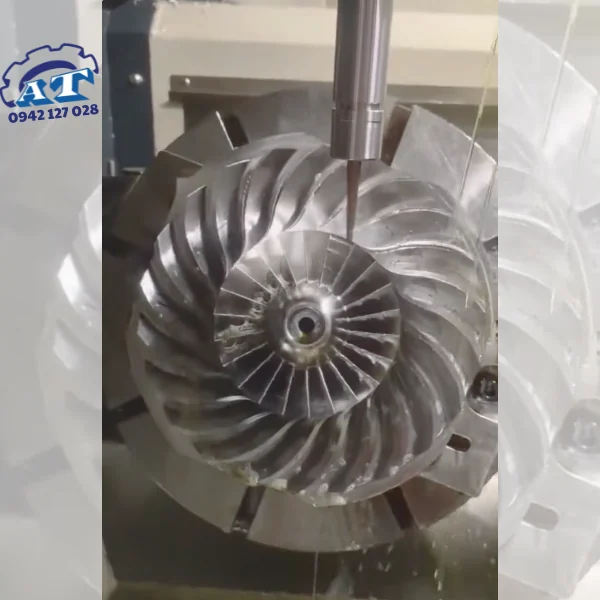
Automation in Modern Mechanical Engineering
2.2. 3D Printing Technology
3D printing enables mechanical engineers to manufacture complex components at a lower cost. For example, Boeing uses 3D printing technology to produce aircraft components, reducing their weight by 15%.
The development of new materials, such as lightweight alloys and bio-based polymers, is further expanding the potential applications of this technology.
2.3. Green Mechanical Engineering
Green mechanical engineering focuses on promoting sustainable development through environmentally friendly engineering solutions. Engineers design energy-efficient systems and incorporate recycled materials to minimize environmental impact.
For example, next-generation wind turbines can reduce manufacturing costs by 20% through the application of advanced mechanical engineering techniques.
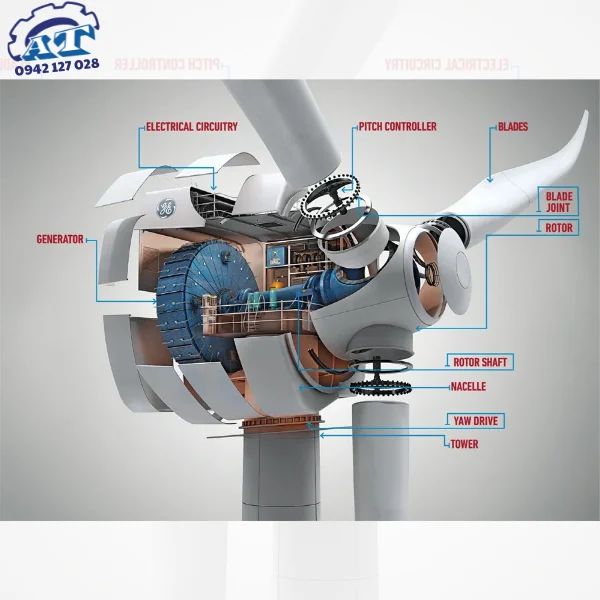
Green Mechanical Engineering in Renewable Energy
3. Applications of Mechanical Engineering
Mechanical engineering plays an essential role in nearly every aspect of modern life, with applications across various industries:
- Automotive Industry: Designing electric vehicle (EV) engines and autonomous driving systems.
- Aerospace Industry: Manufacturing satellites and spacecraft with high levels of precision.
- Healthcare Industry: Developing and manufacturing medical equipment, such as MRI scanners and surgical robots.
- Energy Industry: Designing and developing wind turbines and solar panels to support renewable energy production.
4. Career Opportunities in Mechanical Engineering
A career in mechanical engineering offers a wide range of promising professional opportunities across various industries.
- Design Engineer: Using CAD/CAM software to create technical drawings and develop mechanical designs.
- Manufacturing Engineer: Managing and optimizing automated production lines to improve manufacturing efficiency.
- Research Engineer: Developing new materials, technologies, and innovative engineering solutions.
Salary Expectations: In Vietnam, mechanical engineers earn approximately VND 15–35 million per month (Payscale, 2025). According to the U.S. Bureau of Labor Statistics (BLS, 2024), employment demand in this field is projected to grow by 8% annually.
Job Opportunities: With the continued development of Industry 4.0, mechanical engineering remains a promising career path, offering diverse employment opportunities across the manufacturing and technology sectors.
Learn More: What Subjects Should You Study to Pursue Mechanical Engineering, and Which Universities in Vietnam Offer This Major?
5. How to Study Mechanical Engineering
Studying mechanical engineering requires a strong foundation in technical knowledge and specialized skills. Here are the key steps to get started:
- Build a Strong Theoretical Foundation: Master fundamental subjects such as mechanics, strength of materials, and thermodynamics.
- Develop Proficiency in Engineering Tools: Learn to use industry-standard software such as AutoCAD, SolidWorks, and ANSYS for mechanical design and simulation.
- Gain Practical Experience: Participate in internships and hands-on training programs at companies such as VinFast and Samsung to gain real-world industry experience.

Studying Mechanical Engineering at University
6. Conclusion: Mechanical Engineering – Shaping a Creative Future
Mechanical engineering is more than just a profession; it is a driving force behind human progress and technological advancement. From automation and 3D printing to sustainable engineering solutions, mechanical engineering continues to play a leading role in shaping the future of Industry 4.0.
If you are passionate about innovation and aspire to help shape the future, start your journey in mechanical engineering today!
Related News

25/11
2026
For stainless steel laser cutting, send a 1:1 scale DXF file for machine programming along with a dimensioned PDF to prevent cutting errors. Review the DXF, DWG, and PDF comparison chart, 3 shop-ready file export rules, and 5 common CAD mistakes to avoid.

17/11
2026
In laser metal cutting, product accuracy depends not only on machine power and cutting speed but also on various other technical parameters. One of the key factors that is often discussed is Kerf Width, which refers to the width of the cut produced by the laser.
What is kerf width? Why does it affect machining quality? And how can this parameter be controlled to minimize dimensional deviations and optimize production efficiency? Let's explore these questions in the following article.

14/11
2026
Mechanical engineering manufacturing is one of the fundamental engineering disciplines driving the development of modern industry. Almost every product and piece of equipment used in manufacturing, from industrial machinery and automotive components to agricultural equipment and everyday consumer goods, relies on mechanical manufacturing technologies at some stage of its production.

09/11
2026
Knowing how to clean and store tie-down straps properly prevents webbing wear, stops ratchet rust, and ensures safe cargo transport. Follow these 3 simple steps to wash, dry, and store your straps for maximum longevity.
View more