

What Is CNC Milling? Process, Applications, and CNC Machining Services
- 1. What Is CNC Milling?
- 2. Common CNC Milling Operations
- 3. How Does a CNC Milling Machine Work?
- 4. Advantages of CNC Milling Technology
- 5. Applications of CNC Milling in Various Industries
- 6. Common Types of CNC Milling Machines
- 7. Important Considerations When Choosing a CNC Milling Service Provider
- 8. The Importance of CNC Milling in Modern Mechanical Manufacturing
In modern mechanical manufacturing, requirements for precision, consistency, and production efficiency are becoming increasingly important. Particularly for machine components with complex geometries, multiple machined surfaces, or tight tolerance requirements, traditional machining methods may encounter various limitations. This is why CNC milling technology was developed.
So, what is CNC milling? Let’s explore these aspects in detail with An Thành Tech in the article below!
1. What Is CNC Milling?
CNC Milling (Computer Numerical Control Milling) is a mechanical machining method that uses computer-controlled milling machines to perform operations such as cutting, shaping, and finishing products made from metal, plastic, and other materials.
Thanks to automated control, CNC milling technology can perform a wide range of machining operations, including face milling, slot milling, step milling, drilling, boring, and machining complex surface geometries.
As a result, this technology enables manufacturers to produce components with high dimensional accuracy, excellent repeatability, and the ability to meet complex design requirements.
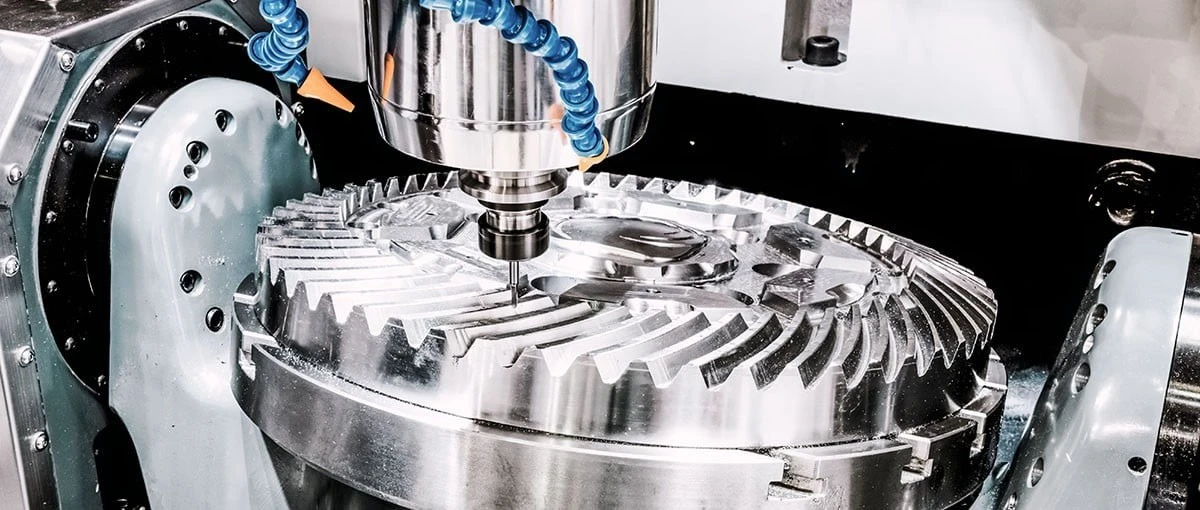
CNC Milling Machines Enable Cutting, Shaping, and Finishing of Workpieces.
2. Common CNC Milling Operations
Some of the most common CNC milling operations include:
- Face Milling: Uses a face milling cutter to produce flat surfaces that meet dimensional accuracy and surface finish requirements.
- Slot Milling: Creates straight slots, keyways, or custom-shaped grooves on mechanical components according to design specifications.
- Step Milling: Machines surfaces at different heights, commonly found in machine parts and assembly components.
- Profile Milling: Produces contours, curves, and complex surface geometries based on design data.
- Pocket Milling: Removes material from a defined internal area to create cavities, pockets, or hollow features according to engineering drawings.
*The appropriate milling method should be selected based on the workpiece geometry, technical requirements specified in the engineering drawings, and actual machining conditions.
3. How Does a CNC Milling Machine Work?
- G-Code Programming: Engineers design the product using CAD/CAM software and convert the design data into G-Code instructions to control the machine.
- Workpiece Setup and Clamping: The workpiece material, such as aluminum, steel, or plastic, is securely clamped onto the CNC milling machine table.
- Machining Process: The CNC milling machine performs cutting operations according to the programmed instructions, producing components that match the engineering drawings.
- Product Inspection: After machining, the finished parts are inspected for quality and dimensional accuracy to ensure they meet the required specifications.
4. Advantages of CNC Milling Technology
- High Precision:
CNC technology can achieve machining accuracy down to the micron level, enabling the production of components with excellent dimensional accuracy and surface finish.
- Time-saving:
Compared with conventional machining methods, CNC milling offers faster production through automation.
- High Repeatability:
Ensures consistent product quality, even in mass production.
- Ability to Machine Complex Designs:
CNC milling machines can manufacture components with complex geometries that are difficult to produce using conventional machining methods.
- Material Versatility:
CNC milling supports a wide range of materials, from metals such as aluminum, stainless steel, and copper to non-metallic materials such as engineering plastics and composites.
5. Applications of CNC Milling in Various Industries
- Automotive Industry:
Machining engine components, transmission parts, and vehicle frames.
- Electronics Industry:
Manufacturing equipment housings, semiconductor components, and heat sinks.
- Medical Industry:
Manufacturing surgical instruments, implants, and medical devices.
- Aerospace Industry:
Machining aircraft components, propellers, and navigation equipment.
6. Common Types of CNC Milling Machines
- 3-Axis CNC Milling Machine: Suitable for machining simple components and parts with flat surfaces.
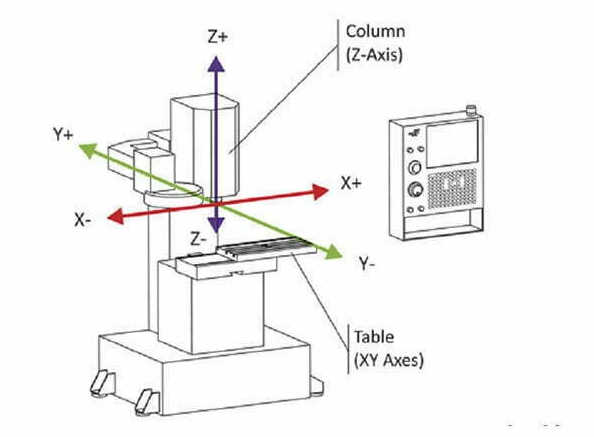
3-axis CNC Milling Machine
- 4-Axis CNC Milling Machine: Capable of machining more complex components with the addition of a rotary axis.
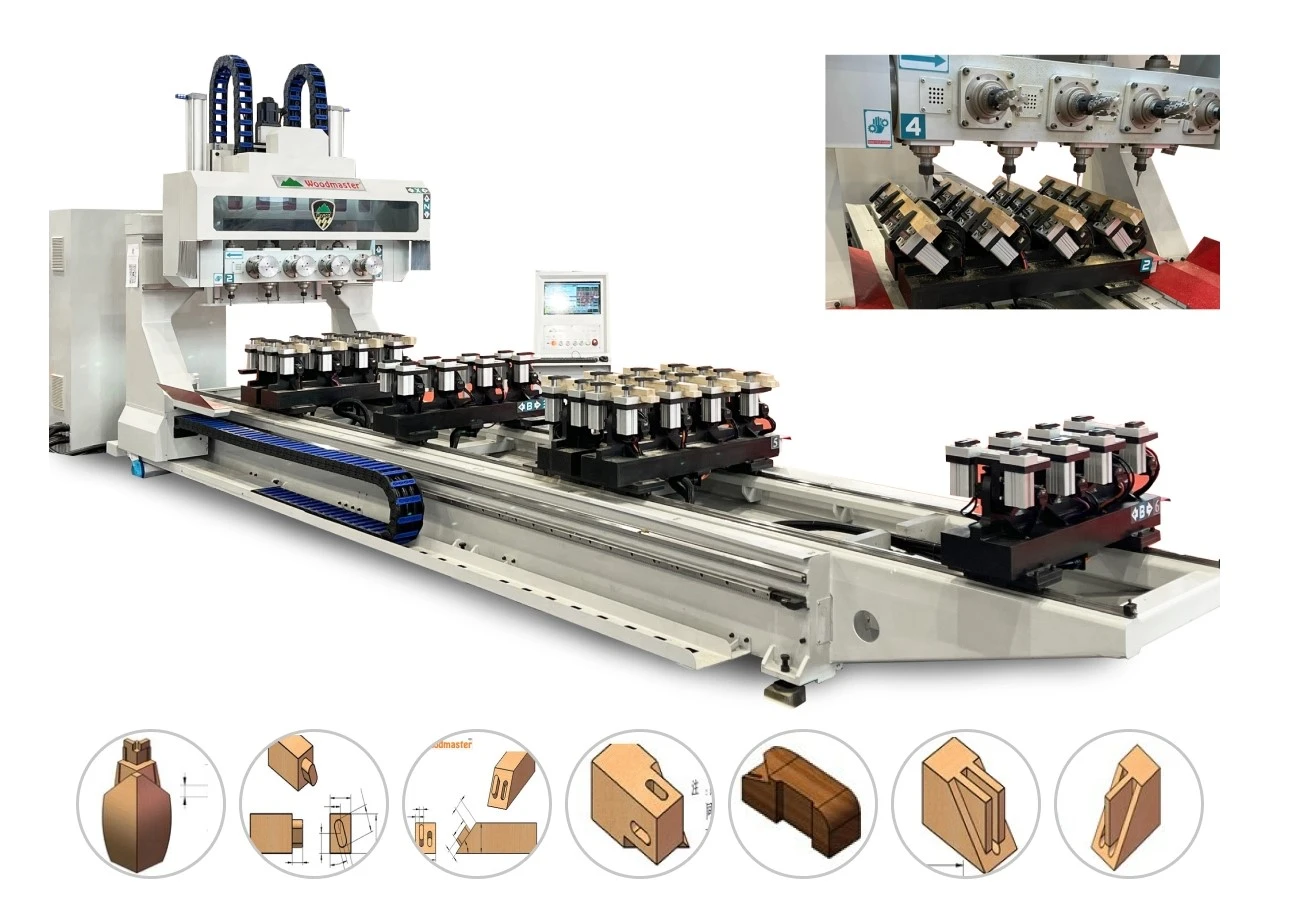
4-axis CNC Milling Machine
- 5-Axis CNC Milling Machine: Ideal for machining complex geometries and commonly used in the aerospace and medical industries.
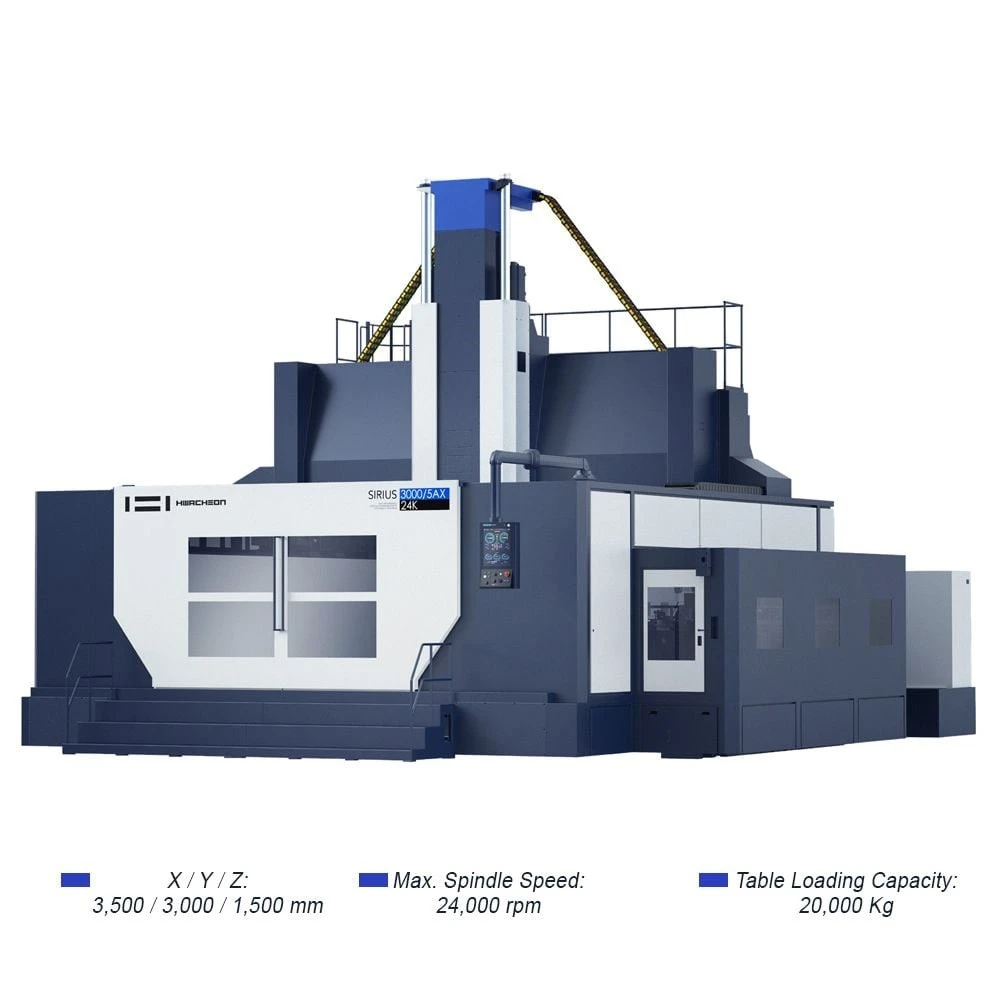
5-axis CNC Milling Machine
7. Important Considerations When Choosing a CNC Milling Service Provider
Choosing a reliable CNC milling service provider directly affects product quality, dimensional accuracy, and production costs. Therefore, businesses should consider several important criteria to find the right machining partner and ensure both quality and on-time delivery.
- Machinery and Equipment Capabilities: Prioritize providers equipped with modern CNC milling machines that are regularly maintained and upgraded. Depending on machining requirements, businesses can choose workshops operating 3-axis, 4-axis, or 5-axis CNC milling machines to handle components with different geometries and levels of complexity.
- Experience and Technical Expertise: A skilled and experienced technical team helps ensure machining accuracy, minimize errors, and optimize production processes.
- Review of Previous Projects: Before selecting a supplier, businesses should review the CNC machining products and projects the provider has completed. This helps evaluate surface finish, dimensional accuracy, the ability to machine complex components, and the workshop's experience with different materials.
- Pricing and Lead Time: CNC milling costs typically depend on material type, component dimensions, drawing complexity, production volume, and technical requirements. Therefore, businesses should prioritize providers with transparent quotation processes that clearly specify cost breakdowns, production schedules, and delivery deadlines.
8. The Importance of CNC Milling in Modern Mechanical Manufacturing
CNC milling technology not only improves production efficiency but also plays a vital role in the development of modern industries. Thanks to its automation capabilities and high machining precision, CNC milling has become a preferred solution for businesses looking to optimize manufacturing processes and maintain consistent product quality.
If you are looking for a reliable CNC milling service provider offering competitive pricing to suit different budgets, please contact An Thanh Tech via Hotline or Zalo. Our team of specialists is ready to provide professional consultation and develop designs tailored to your specific requirements.
We are committed to delivering high-quality products and services that meet even the most demanding customer expectations!
Related News

17/11
2026
In laser metal cutting, product accuracy depends not only on machine power and cutting speed but also on various other technical parameters. One of the key factors that is often discussed is Kerf Width, which refers to the width of the cut produced by the laser.
What is kerf width? Why does it affect machining quality? And how can this parameter be controlled to minimize dimensional deviations and optimize production efficiency? Let's explore these questions in the following article.

14/11
2026
Mechanical engineering manufacturing is one of the fundamental engineering disciplines driving the development of modern industry. Almost every product and piece of equipment used in manufacturing, from industrial machinery and automotive components to agricultural equipment and everyday consumer goods, relies on mechanical manufacturing technologies at some stage of its production.

09/11
2026
Knowing how to clean and store tie-down straps properly prevents webbing wear, stops ratchet rust, and ensures safe cargo transport. Follow these 3 simple steps to wash, dry, and store your straps for maximum longevity.

07/11
2026
Think all industrial greys look the same? Place RAL 7032 (Pebble Grey) next to RAL 7035 (Light Grey), and the contrast between warm beige-grey and bright silver-grey is unmistakable. Explore their exact color codes, powder coating specs, and ideal applications below to choose the right finish.
View more