

What Is Mechanical Engineering? Its Fields, Processes, and Practical Applications
- 1. What Is Mechanical Engineering? Key Responsibilities of Mechanical Engineers
- 2. What Can You Do with a Degree in Mechanical Engineering? Career Opportunities
- 3. Fields of Mechanical Engineering
- 4. Is It Easy to Find a Job in Mechanical Engineering?
- 5. Mechanical Engineering Salaries
- 6. What Mechanical Engineering Services Do Businesses Need?
- 7. Essential Skills for Building a Successful Career in Mechanical Engineering
- 8. Common Types of Mechanical Engineering Today
- 9. Frequently Asked Questions (FAQs)
- 10. Conclusion
Mechanical engineering is the backbone of modern industry, encompassing everything from machinery design to automated manufacturing. This report provides detailed insights into the mechanical engineering industry to help you gain a better understanding of this field.
Prepared by An Thành, a mechanical engineering expert with 15 years of experience at Hanoi University of Science and Technology, and the An Thanh Tech team.
1. What Is Mechanical Engineering? Key Responsibilities of Mechanical Engineers
Mechanical engineering is an engineering discipline focused on the research, design, manufacturing, assembly, and maintenance of machinery, equipment, and metal components used in industrial production and everyday life. It serves as a vital foundation of modern industry, contributing to the development of machinery, production lines, transportation vehicles, and a wide range of engineering products.
Furthermore, mechanical engineering incorporates advanced technologies such as CNC machining, laser cutting, welding, and automation to improve precision, productivity, and product quality. These technologies help meet the demands of businesses while contributing to broader industrial and socioeconomic development.
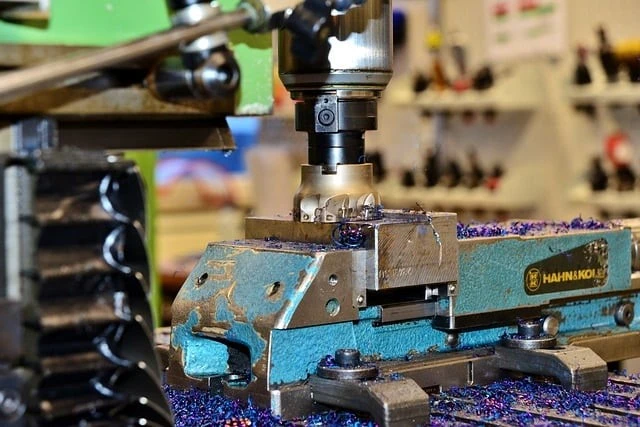
What is machanical engineering? Key responsibilities of machinical engineers
Key Responsibilities of Mechanical Engineers:
- Design: Use CAD software (AutoCAD, SolidWorks) to create technical drawings.
- Manufacturing: Supervise production processes and metal machining operations.
- Maintenance: Ensure machinery and equipment operate efficiently and reliably.
- Research and Development: Develop new products and improve existing technologies.
Expert Insight: "Mechanical engineering requires precision and creativity. Engineers must combine theoretical knowledge with practical skills to solve technological challenges." – PhD. Do Dinh Phu.
2. What Can You Do with a Degree in Mechanical Engineering? Career Opportunities
Pursuing a degree in mechanical engineering opens up a wide range of career opportunities, both today and in the future, particularly given the current labor shortage in this sector. According to data from labor market forecasting centers, the Mechanical Engineering – Metallurgy – Automation sector accounts for approximately 28% of total labor demand.
2.1. Common Career Positions
- Mechanical Design Engineer: Work for manufacturing companies, designing machinery and mechanical components.
- Mechanical Operations Engineer: Operate and oversee equipment and machinery in industrial plants.
- Research and Development (R&D) Specialist: Conduct research and develop new technologies and products at research institutes.
- Production Manager: Manage and oversee manufacturing operations in industrial parks.
2.2. Employment Opportunities (2025–2030)
According to the Vietnam Association of Mechanical Industry (VAMI), domestic demand for mechanical engineering products and services is projected to exceed USD 300 billion by 2030. However, the industry's current manufacturing capacity meets only approximately one-third of total market demand.
Furthermore, according to statistics and forecasts published by Thanh Nien News in March 2025, mechanical engineering and related sectors, including automation, are expected to account for 38% of total labor demand nationwide by 2030.
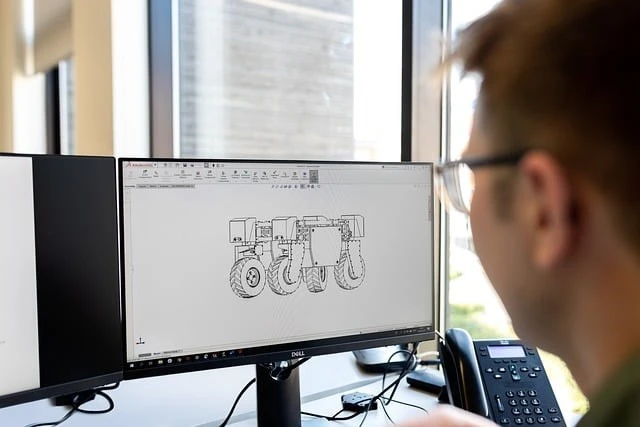
What can you do in mechanical engineering? It's career opportunities
3. Fields of Mechanical Engineering
Mechanical engineering encompasses several specialized disciplines that address various industrial needs:
|
Specialization |
Applications |
|
Mechanical Manufacturing Engineering
|
Manufacturing machine tools and industrial equipment.
|
|
Automotive Engineering
|
Designing, maintaining, and repairing cars and motorcycles.
|
|
Mechatronics Engineering
|
Developing automation systems, robotics, and intelligent systems.
|
|
Aerospace Engineering
|
Manufacturing aircraft components and spacecraft.
|
4. Is It Easy to Find a Job in Mechanical Engineering?
Mechanical engineering offers strong employment prospects due to high demand for skilled workers, particularly in industrial parks and manufacturing hubs. Engineers proficient in CAD/CAM software and foreign languages, especially English, have a significant competitive advantage in the job market.
Job Search Tips:
- Gain Practical Experience: Participate in internships at manufacturing plants while pursuing your degree.
- Improve English Proficiency: Develop your English skills to access international career opportunities and work in multinational environments.
- Build a Professional Portfolio: Compile design projects and practical engineering work to demonstrate your technical capabilities.
5. Mechanical Engineering Salaries
Mechanical engineer salaries in Vietnam (2025, according to JobsGO):
|
Experience Level |
Salary (VND/month) |
|
Fresher |
8–14 million |
|
3–5 Years of Experience |
12–20 million |
|
More Than 5 Years of Experience |
20–50 million |
Currently, several major industrial powers are recruiting large numbers of highly skilled mechanical engineering professionals. Key examples include:
- Germany: Automotive engineering and machine manufacturing.
- Japan: Robotics and industrial automation.
- Vietnam: Industrial parks in Binh Duong and Dong Nai.
- United States: Aerospace engineering and renewable energy.
6. What Mechanical Engineering Services Do Businesses Need?
- Component Design and Manufacturing: Design and machine mechanical components to meet specific technical requirements.
- Industrial Machinery Maintenance: Maintain, inspect, and repair industrial machinery and equipment.
- Automation Solutions Consulting: Provide consulting services and develop automation solutions to optimize production processes.
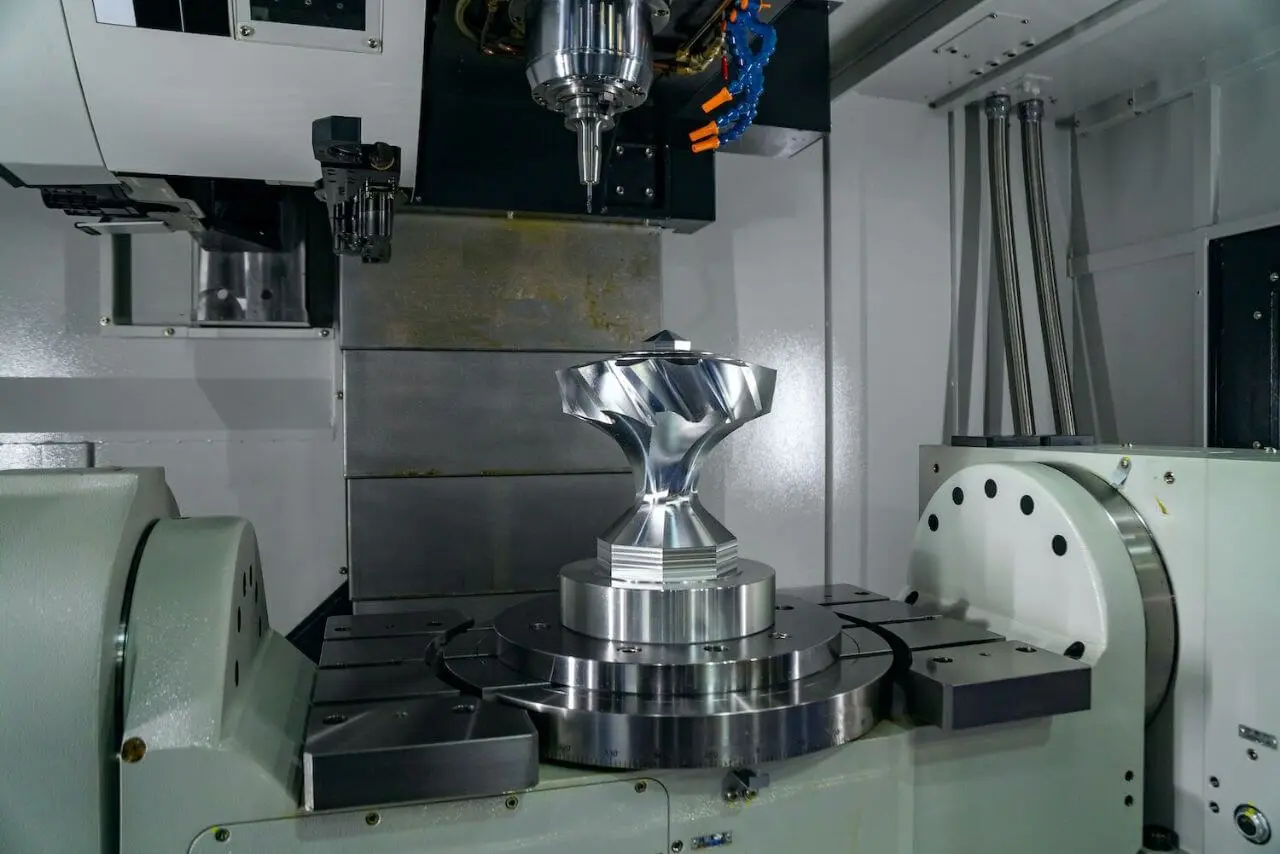
What mechanical engineering services do business need?
7. Essential Skills for Building a Successful Career in Mechanical Engineering
7.1. Essential Software to Learn
In modern mechanical engineering, specialized software plays a crucial role in product design, machining programming, and quality inspection. Therefore, learning and mastering several core software applications is essential for aspiring mechanical engineers.
- CAD (Computer-Aided Design): AutoCAD, SolidWorks, CATIA.
- CAM (Computer-Aided Manufacturing): Mastercam, Fusion 360.
- Simulation and Analysis: ANSYS, MATLAB.
7.2. Skills Required to Excel in Mechanical Engineering
To become a competent mechanical engineer, students need to develop a solid foundation in mechanics, materials science, and machinery operating principles. In addition to learning how to use specialized software, several essential skills are required:
- Technical Knowledge: Understand engineering mechanics, material properties, and mechanical principles.
- Practical Skills: Operate CNC machines and use mechanical tools and equipment.
- Software Proficiency: Master CAD/CAM software applications.
- Foreign Language Proficiency: English is an essential language that mechanical engineering students should prioritize to advance their careers. Strong English skills enable engineers to access the latest technical documentation, stay updated on advanced technologies, conduct specialized research, and participate in international conferences.
8. Common Types of Mechanical Engineering Today
- Mechanical Manufacturing Engineering: Focuses on conventional machinery and manufacturing processes.
- Automotive Engineering: Suitable for those passionate about vehicles and transportation technology.
- Mechatronics Engineering: Combines mechanical engineering, electronics, and programming.
9. Frequently Asked Questions (FAQs)
1. Is Mechanical Engineering Difficult to Study?
Studying mechanical engineering requires a strong foundation in mathematics, physics, and practical skills. Core subjects include Strength of Materials, Fluid Mechanics, and CNC Manufacturing Technology. Students need patience and passion to successfully master these challenging subjects.
2. Does Mechanical Engineering Require Programming Skills?
Programming is becoming increasingly important in mechanical engineering, particularly in mechatronics and automation. Programming languages such as Python, C++, and MATLAB help engineers perform simulations and control engineering systems.
3. Is Mechanical Engineering Suitable for Women?
Mechanical engineering is suitable for both men and women. Many women have built successful careers in mechanical design and production management.
4. Should You Choose Vocational Training or a University Degree in Mechanical Engineering?
Today, students can choose from various mechanical engineering education pathways depending on their career goals, financial circumstances, and personal development plans. Vocational training and university education are two of the most popular options:
- Vocational Training: Offers a shorter path to employment with lower training costs.
- University Education: Provides a deeper theoretical foundation and greater opportunities for long-term career advancement.
5. Recommended Universities for Mechanical Engineering in Vietnam
- Hanoi University of Science and Technology (HUST): Known for its specialized programs in mechanical manufacturing, machine design, automation, and engineering technology research.
- Ho Chi Minh City University of Technology – Vietnam National University Ho Chi Minh City (HCMUT): Offers strong programs in mechanical engineering, mechatronics, machine manufacturing, and applied research in modern technologies.
- Hanoi University of Industry (HaUI): Specializes in mechanical engineering technology, mechanical design, manufacturing, and industrial technology applications.
- Ho Chi Minh City University of Technology and Education (HCMUTE): Emphasizes practical training, mechanical design, machine manufacturing, CNC machining, and the application of technology in industrial production.
6. Starting a Business in the Mechanical Engineering Industry
- Manufacture mechanical components and equipment.
- Provide technical consulting services.
- Apply advanced technologies such as 3D printing and the Internet of Things (IoT).
10. Conclusion
Mechanical engineering is an excellent career choice for individuals passionate about technology, engineering, and innovation. With strong demand for skilled professionals and the support of emerging technologies, this industry offers significant opportunities for professional growth and career development.
With extensive experience in mechanical engineering, An Thành Technical Engineering Co., Ltd. provides manufacturing and mechanical machining solutions tailored to meet business requirements.
Our main services include:
- Precision mechanical machining.
- Sheet metal laser cutting.
- Sheet metal bending and forming.
- Mechanical welding and fabrication.
- Electrostatic powder coating.
- Manufacturing mechanical accessories and custom-made products.
If you are looking for a reliable mechanical machining service provider, contact An Thanh Tech for professional consultation and tailored solutions!
Related News

17/11
2026
In laser metal cutting, product accuracy depends not only on machine power and cutting speed but also on various other technical parameters. One of the key factors that is often discussed is Kerf Width, which refers to the width of the cut produced by the laser.
What is kerf width? Why does it affect machining quality? And how can this parameter be controlled to minimize dimensional deviations and optimize production efficiency? Let's explore these questions in the following article.

14/11
2026
Mechanical engineering manufacturing is one of the fundamental engineering disciplines driving the development of modern industry. Almost every product and piece of equipment used in manufacturing, from industrial machinery and automotive components to agricultural equipment and everyday consumer goods, relies on mechanical manufacturing technologies at some stage of its production.

09/11
2026
Knowing how to clean and store tie-down straps properly prevents webbing wear, stops ratchet rust, and ensures safe cargo transport. Follow these 3 simple steps to wash, dry, and store your straps for maximum longevity.

07/11
2026
Think all industrial greys look the same? Place RAL 7032 (Pebble Grey) next to RAL 7035 (Light Grey), and the contrast between warm beige-grey and bright silver-grey is unmistakable. Explore their exact color codes, powder coating specs, and ideal applications below to choose the right finish.
View more