

What Are Machining Tools? Types, Classifications, and Detailed Applications
- 1. What Are Machining Tools? How Are They Different from Machine Tools?
- 2. What Do Mechanical Tools Include?
- 2.1. Metal Cutting Tools
- 2.2. Hole-Making and Threading Tools
- 2.3. Grinding and Surface Finishing Tools
- 2.4. Measuring and Inspection Tools in Mechanical Machining
- 2.5. Workholding and Workpiece Positioning Tools
- 2.6. What Tools Are Used in CNC Machining?
- 3. How to Choose the Right Machining Tools
- 4. Important Factors to Consider When Using Machining Tools
- 5. Quick Reference Table for Machining Tools
- 6. Conclusion
Choosing the wrong cutting tool can damage an entire expensive workpiece. Machining tools go beyond milling cutters, drill bits, and vernier calipers. Understanding the functions of each tool and selecting the right equipment are crucial to achieving high accuracy, improving productivity, and reducing production costs. In this article, An Thanh Tech explores the main types of machining tools, their classifications, applications, and selection criteria.
1. What Are Machining Tools? How Are They Different from Machine Tools?
1.1. Machining Tools
Machining tools refer to a collection of equipment used directly for shaping, cutting, measuring, inspecting, and finishing workpieces. Depending on the machining operation, such as turning, milling, drilling, or grinding, machinists select suitable tools based on the material and technical requirements to ensure dimensional accuracy and machining precision.
In modern manufacturing, the term "machining tools" encompasses much more than basic hand tools such as wrenches and hammers. It covers a wide range of specialized equipment, including:
- Cutting Tools: Turning tools, milling cutters, and indexable cutting inserts.
- Hole-Making and Threading Tools: Drill bits, taps, and reamers.
- Grinding and Finishing Tools: Grinding wheels, abrasive belts, and polishing tools.
- Measuring and Inspection Tools: Vernier calipers, micrometers, and dial indicators.
- Workholding and Positioning Tools: Machine vises, chucks, and fixtures.
- Specialized CNC Tools: Tool holders, collets, and touch probes
1.2. How Are Machining Tools Different from Machine Tools?
- Machine Tools: Machines that generate and control the movements required for machining operations, such as CNC milling machines and conventional lathes.
- Machining Tools: Components that directly contact the workpiece or support the machining process.
Example of a Complete Machining System:
CNC Milling Machine + Milling Cutter + Tool Holder + Machine Vise + Vernier Caliper → Together, these components form a complete machining setup.
A cutting tool is not a machine, while a fixture is a supporting device used to hold and position the workpiece during machining.
2. What Do Mechanical Tools Include?
2.1. Metal Cutting Tools
Turning Tools
Used on lathes to machine cylindrical workpieces through various operations, including external turning, internal boring, facing, thread cutting, and parting-off.
Milling Cutters
Available in various designs and geometries for different milling operations:
- End Mill: Used for pocket milling and profile milling.
- Face Mill: Used for machining flat surfaces.
- Ball Nose End Mill: Used for machining curved surfaces and complex 3D contours.
Reaming and Chamfering Tools
- Reamers: Used to finish pre-drilled holes, improving dimensional accuracy and surface finish.
- Chamfering Tools: Used to remove sharp edges and create beveled edges on workpieces.
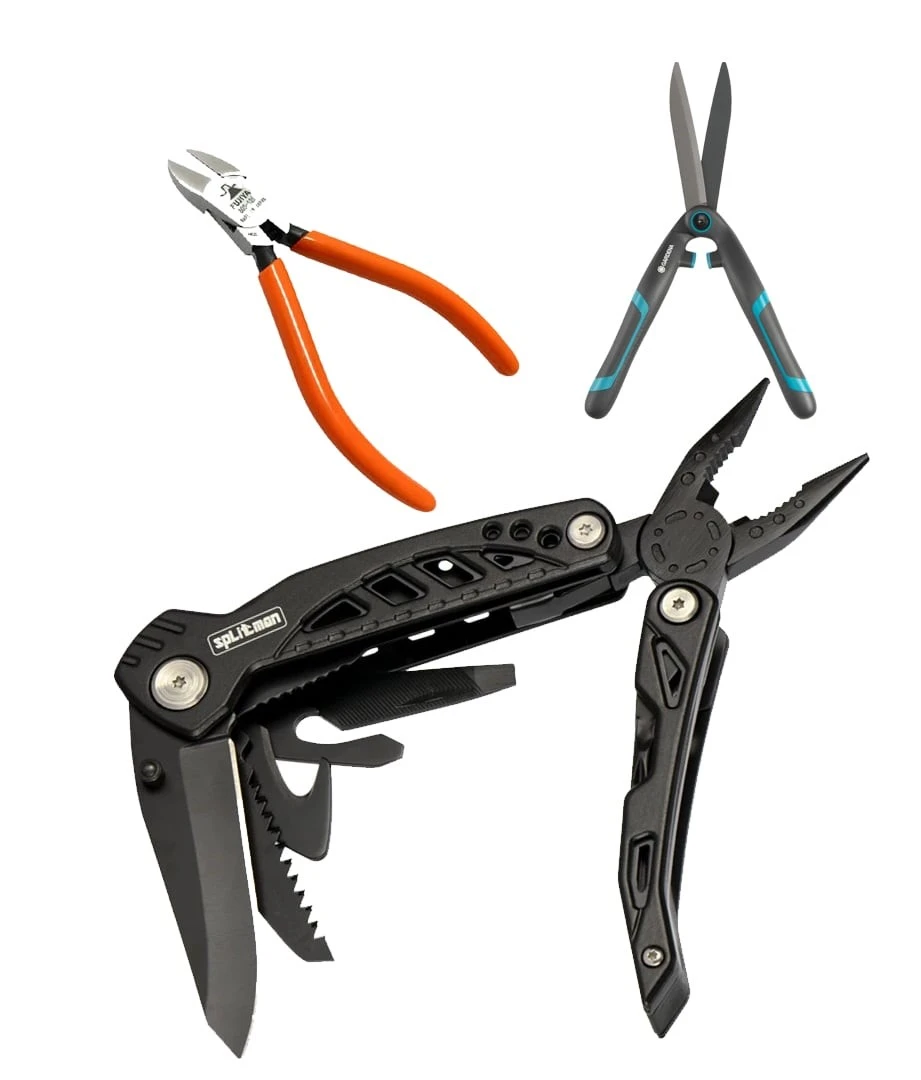
Metal Cutting Tools
2.2. Hole-Making and Threading Tools
| Tool | Primary Function | Machining Operation |
|---|---|---|
| Drill Bits | Create initial holes in workpieces | Drilling |
| Reamers | Improve hole dimensional accuracy and surface finish | Precision Reaming |
| Taps | Cut internal threads in pre-drilled holes | Tapping |
| Threading Dies | Cut external threads on shafts and rods | Manual Threading |
| Threading Tools | Cut threads automatically using machine tools | Thread Turning / Thread Milling |
2.3. Grinding and Surface Finishing Tools
- Grinding Wheels: Remove thin layers of material to achieve specified dimensional tolerances and surface finish requirements.
- Abrasive Belts / Buffing Wheels: Clean surfaces and remove tool marks left by milling and turning operations.
- Polishing Tools: Improve surface quality to achieve a mirror-like finish.
- Deburring Tools: Remove sharp edges and burrs generated during machining operations.
2.4. Measuring and Inspection Tools in Mechanical Machining
- Vernier Calipers: Measure external dimensions, internal dimensions, and depths, typically with a resolution of 0.02 mm.
- Micrometers: Measure dimensions requiring high precision, with typical resolution down to 0.001 mm.
- Dial Indicators: Check shaft runout, surface flatness, and alignment.
- Other Measuring Equipment: Gauge blocks, height gauges, and Coordinate Measuring Machines (CMMs).
2.5. Workholding and Workpiece Positioning Tools
- Machine Vises: Secure square or rectangular workpieces during machining operations.
- Lathe Chucks: Hold and rotate cylindrical workpieces on lathes.
- Jigs and Fixtures: Custom-designed devices used to position and secure complex workpieces, particularly in mass production.
Why Is Workholding Important?
Improper or loose workholding can cause vibration, dimensional inaccuracies, poor surface finish, and even sudden tool breakage. Proper clamping ensures machining stability, accuracy, and operational safety.
2.6. What Tools Are Used in CNC Machining?
Automated CNC machining systems require high levels of precision and reliable toolholding solutions. Common CNC machining tools and accessories include:
- CNC Cutting Tools: Often feature indexable carbide inserts for efficient and precise machining.
- Tool Holders and Collets: Securely hold cutting tools and connect them to the machine spindle.
- Touch Probes: Automatically measure workpieces and cutting tools directly on the CNC machine.
- Tool Presetters: Measure and set tool dimensions and offsets outside the CNC machine before machining operations.
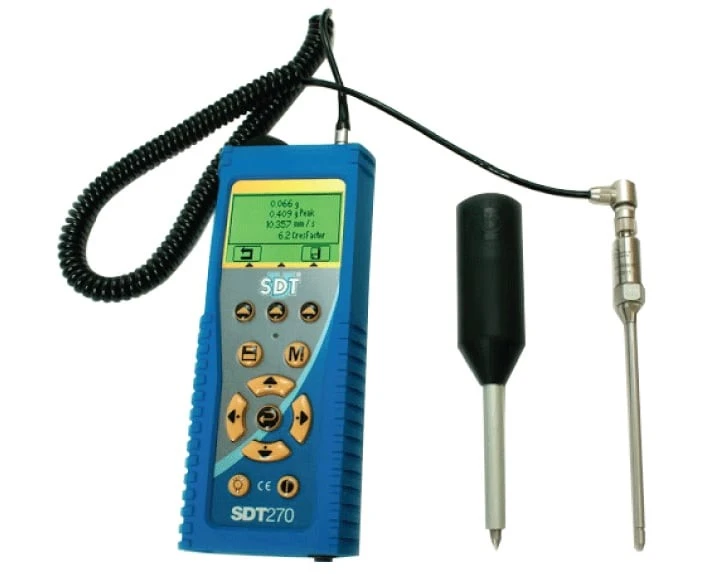
Mechanical Measuring and Inspection Tools
3. How to Choose the Right Machining Tools
Machining experts select suitable cutting tools based on the following factors:
- Workpiece Material: Stainless steel requires heat-resistant cutting tools, while aluminum requires tools with efficient chip evacuation.
- Workpiece Hardness: Hardened workpieces generally require carbide or CBN (Cubic Boron Nitride) cutting tools.
- Machining Operation: Rough milling requires rigid and stable cutting tools, while finish milling focuses on achieving superior surface quality.
- Tool Material and Coating: TiAlN coatings improve wear resistance. For milling applications, 2–3 flute end mills are commonly used for aluminum, while 4–6 flute end mills are often suitable for steel.
4. Important Factors to Consider When Using Machining Tools
4.1. Cutting Parameters
- Cutting Speed (Vc): The relative speed at which the cutting edge engages with the workpiece. Excessively high cutting speeds generate heat and may cause premature tool wear or cutting edge damage.
- Feed Rate (F): The speed at which the cutting tool advances relative to the workpiece. Excessive feed rates can cause vibration, poor surface finish, and tool breakage.
- Depth of Cut (ap): The thickness of material removed in a single machining pass. Excessive depth of cut can overload the cutting tool and cause chip evacuation problems.
4.2. Machining Tool Life
Common Signs of Cutting Tool Wear:
Dimensional deviations, poor surface finish, excessive burr formation, and abnormal squealing or cutting noises are common indicators of tool wear.
When Should Cutting Tools Be Replaced?
Cutting tools should be replaced when edge chipping exceeds acceptable limits or when the manufacturer's specified tool life, measured in cutting time, has been reached.
4.3. Common Mistakes When Selecting Machining Tools
- Choosing Tools Based on Price Alone: Low-cost tools may wear out quickly, increasing tool replacement time and the risk of workpiece damage.
- Using the Wrong Tool Material: Using an aluminum-specific milling cutter to machine steel can result in poor cutting performance and premature tool failure.
- Improper Workholding: Loose clamping can cause tool runout, reduce tool life, and compromise machining accuracy.
- Failing to Replace Worn Tools: Continuing to operate with worn cutting tools can damage the workpiece and potentially cause spindle damage.
5. Quick Reference Table for Machining Tools
| Machining Requirement | Suitable Tools | Main Purpose |
|---|---|---|
| Cutting and Workpiece Separation | Band Saws, Cutting Tools | Separating raw materials |
| Producing Flat Surfaces | Milling Cutters | Removing material to create flat surfaces |
| Creating Holes | Drill Bits | Removing material to produce holes |
| Improving Hole Surface Finish | Reamers | Achieving tighter dimensional tolerances |
| Thread Cutting | Taps / Threading Dies | Creating threads for mechanical fastening |
| Dimensional Inspection | Calipers, Micrometers | Verifying dimensional accuracy |
| Securing Workpieces | Machine Vises, Fixtures | Preventing vibration and positioning workpieces |
| Securing CNC Cutting Tools | Tool Holders | Ensuring stable and accurate tool rotation |
6. Conclusion
Machining tools form a comprehensive ecosystem consisting of cutting tools, workholding devices, measuring instruments, and supporting accessories. Selecting the right tools based on workpiece materials and machining methods not only improves production efficiency but also protects machinery and enhances finished product quality.
In addition to proper tool selection, equipment capabilities, manufacturing processes, and the technical expertise of the machining service provider also have a direct impact on product quality.
An Thanh Technical Engineering Co., Ltd. specializes in manufacturing mechanical accessories and providing customized machining services.
Some of An Thanh Tech's main areas of expertise include:
- Precision Machining
- Sheet Metal Bending and Forming
- Sheet Metal Laser Cutting Services
- Metal Fabrication and Welding
- Custom Stainless Steel Fabrication
- Custom Mechanical Component Manufacturing Based on Technical Drawings
For businesses requiring custom-manufactured components, metal structures, or mechanical accessories, choosing a machining partner capable of interpreting technical drawings and recommending suitable manufacturing solutions can help streamline the entire production process.
If you are looking for a reliable custom machining service provider, contact An Thanh Tech to discuss your technical drawings, material specifications, production quantities, and product requirements. Our team is ready to assist you in finding suitable manufacturing solutions for your project.
Related News

17/11
2026
In laser metal cutting, product accuracy depends not only on machine power and cutting speed but also on various other technical parameters. One of the key factors that is often discussed is Kerf Width, which refers to the width of the cut produced by the laser.
What is kerf width? Why does it affect machining quality? And how can this parameter be controlled to minimize dimensional deviations and optimize production efficiency? Let's explore these questions in the following article.

14/11
2026
Mechanical engineering manufacturing is one of the fundamental engineering disciplines driving the development of modern industry. Almost every product and piece of equipment used in manufacturing, from industrial machinery and automotive components to agricultural equipment and everyday consumer goods, relies on mechanical manufacturing technologies at some stage of its production.

09/11
2026
Knowing how to clean and store tie-down straps properly prevents webbing wear, stops ratchet rust, and ensures safe cargo transport. Follow these 3 simple steps to wash, dry, and store your straps for maximum longevity.

07/11
2026
Think all industrial greys look the same? Place RAL 7032 (Pebble Grey) next to RAL 7035 (Light Grey), and the contrast between warm beige-grey and bright silver-grey is unmistakable. Explore their exact color codes, powder coating specs, and ideal applications below to choose the right finish.
View more